Free Energy Is Not Magic, but a Question of Source and Access
When people speak about free energy, many immediately think of mysterious devices, hidden inventions, unknown technologies, and the idea that electricity can be obtained without any source at all. But the concept of free energy can also be viewed in a much more practical way. In the case of green energy, the question is not whether energy must arise “from nothing,” but whether we can use sources that already exist in nature and do not send a bill.
The Sun does not charge for its rays. The wind does not issue invoices. Rivers, Earth’s heat, and natural energy flows exist independently of humans, markets, and large companies. What costs money is not the existence of these sources themselves, but the technology that converts them into useful electrical energy: solar panels, wind turbines, batteries, inverters, grids, installations, and management systems.
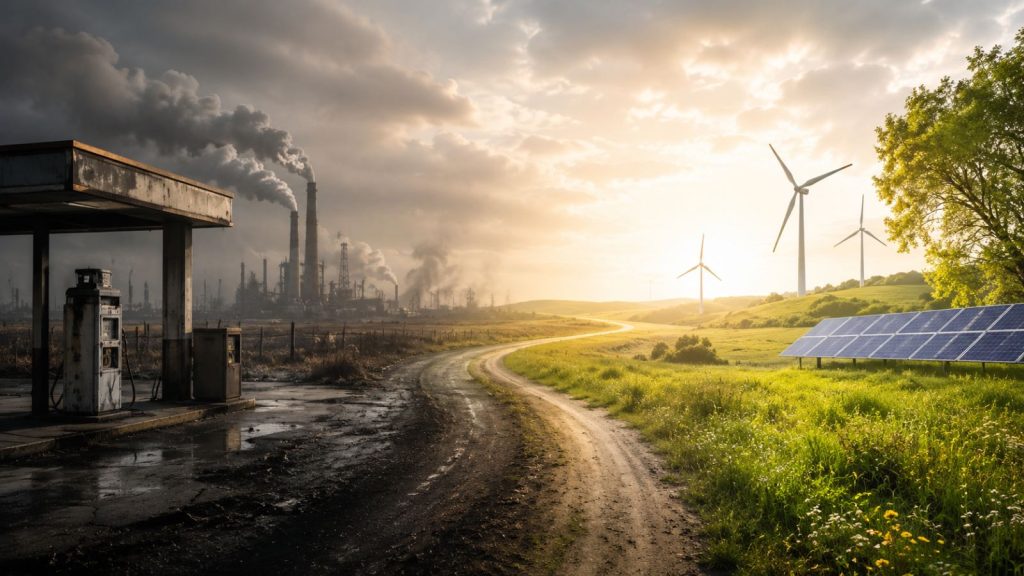
This is where the main difference between green energy and the classical energy model appears. With fossil fuels, fuel is constantly paid for. Oil, coal, and gas must be extracted, transported, refined, sold, and burned. With solar and wind energy, the initial cost exists, but the source of energy itself remains free. Once the system is installed, every new unit of produced energy can become significantly cheaper than in the old model.
That is why the question “Can green energy become free energy?” is not naive. The answer is not simply yes or no. It would be more accurate to say: green energy can become a form of almost free or unrestricted energy once a system is built that converts natural sources into electricity with minimal long-term costs. This is not magic. It is a combination of nature, technology, infrastructure, and smart management.
The Sun and Wind as Natural Sources Without Bills
The greatest advantage of green energy lies in the very nature of its sources. The Sun and wind are not commodities in the classical sense. They do not belong to one company, they do not depend on a mine, pipeline, or tanker, and they do not need to be purchased daily on the global market. This does not mean that using these sources is completely free, but it does mean that the economic logic changes fundamentally.
A solar panel has a price, but the Sun has no price list. A wind turbine has a price, but the wind does not belong to any company. This simple fact contains the revolutionary potential of green energy. Humanity no longer necessarily has to pay for the raw source of energy itself, but for the technology that allows access to a natural source.
With fossil fuels, the cost never stops. New raw material must constantly be extracted, transported, burned, and paid for at changing market prices. With renewable sources, the initial cost can be high, but after that the system uses something nature already provides. That is why solar and wind energy systems can be seen as long-term investments in reducing dependence.
This is especially important for homes, businesses, local communities, and countries that want greater energy security. If part of the energy can be produced locally, from sources available every day, dependence on distant suppliers, international crises, and unstable energy prices is reduced.
In that sense, green energy is not only an ecological issue. It is also a question of freedom. The more energy comes from local, renewable, and naturally available sources, the less dependence there is on systems that control the production, distribution, and price of energy.
Why Green Energy Is Still Not Completely Free Today
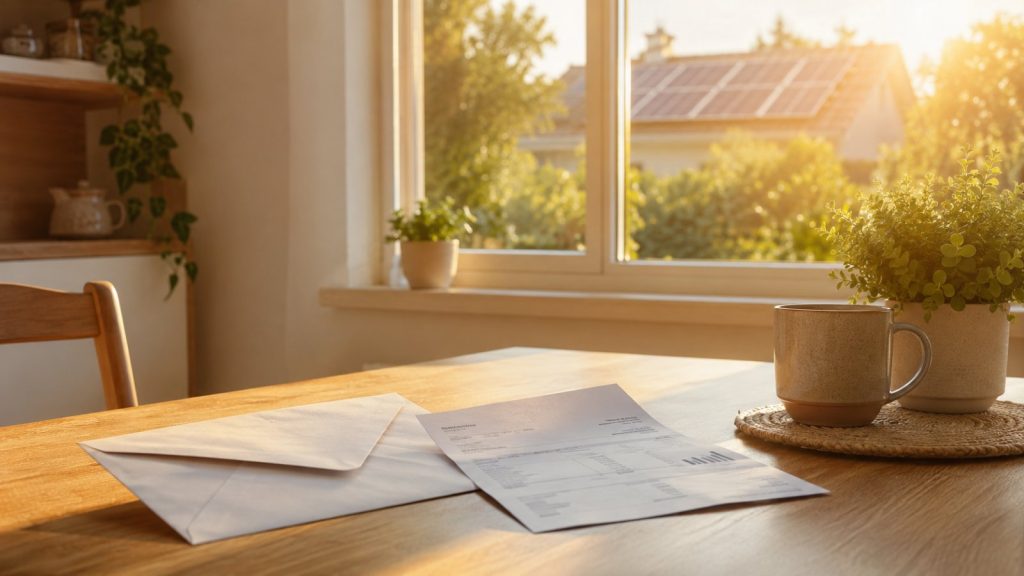
Still, we need to be realistic. Green energy today is not completely free. Claiming otherwise would be unserious. The Sun and wind are free sources, but access to those sources requires technology, knowledge, equipment, and maintenance.
A solar system includes panels, mounting structures, inverters, cables, design, installation, protection, grid connection, and often a battery system if the user wants greater independence. Wind energy systems require turbines, foundations, permits, service, monitoring, and a suitable location. Batteries have a limited lifespan and their own cost. Smart management systems also require investment.
That is why green energy is not free from day one. It becomes cheaper over time. At the beginning, there is an investment. After that, the system begins producing energy that can reduce monthly bills, protect the user from rising prices, and increase energy independence. The longer the system operates, the more its initial price is spread across years of use.
This is the practical logic of green energy. It does not have to erase all costs immediately, but it can gradually reduce dependence on constantly paying for energy. Ideally, a well-designed system can, after a certain period, produce energy at a very low real cost.
It is important to distinguish between a “free source” and a “free system.” The source may be free, but the system that uses it is not. That is why seriousness, good technology, quality planning, and realistic calculation are necessary. Green energy is not a magic solution if it is poorly installed, but it can be an extremely powerful tool if used wisely.
ESG as a Bridge Between Green Energy and Capital
For green energy to become widely available, a good idea alone is not enough. Capital, investors, clear projects, and a responsible management model are needed. This is where ESG comes in.
ESG, or Environmental, Social, and Governance, is a framework used to assess how much a project takes care of the environment, society, and responsible management. In the context of green energy, ESG is especially important because it helps distinguish serious projects from ordinary marketing.
If a project reduces emissions, uses renewable sources, increases energy independence, benefits the local community, and has a transparent management model, then it naturally fits into ESG logic. Such a project can be interesting to investors who are not looking only for short-term profit, but also long-term sustainability, lower risk, and positive social impact.
Green energy is no longer just idealism. It is becoming an investment category. Solar parks, wind farms, battery facilities, energy-efficient buildings, smart grids, and local energy systems are increasingly viewed through a combination of profit, sustainability, and social value.
But ESG must be real, not merely declarative. It is not enough to put green color on a presentation and call a project sustainable. A real ESG project must have measurable impact, a clear structure, responsible management, and long-term logic. Otherwise, it is only green marketing.
At its best, ESG can be a bridge between vision and realization. It can help the idea of green energy gain financial support, institutional seriousness, and investor trust. In that way, the path toward more accessible energy does not rely only on enthusiasm, but also on capital that can launch real projects.
From Lower Bills to Energy Freedom
Green energy most often does not begin as a great civilizational revolution, but as a very concrete need: to reduce electricity bills. A house that installs solar panels first wants to use less energy from the grid. A company wants more stable costs. A community wants greater supply security. But from these practical reasons, a much broader change can develop.
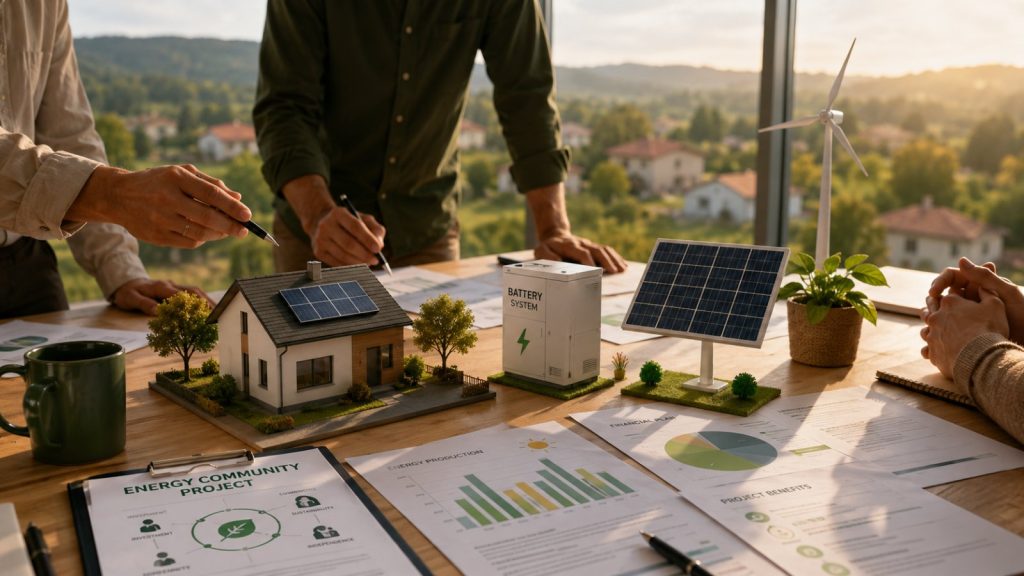
The first step is reducing bills. The second step is producing your own energy. The third step is storing excess energy through batteries. The fourth step is smart consumption management. The fifth step can be a local microgrid in which multiple houses, companies, or institutions share and manage energy together.
In such a system, energy is no longer just something that comes from outside. It becomes part of local life. A house can produce electricity during the day, a battery can store the surplus for the evening, an electric car can be connected to the home system, and a smart grid can decide when it is best to consume, store, or return energy.
This is the path from lower bills to energy freedom. Not complete freedom overnight, but a real reduction of dependence. And that is exactly what makes green energy so important. It does not bring only a change of source, but also a change in the position of the user. The user is no longer only a passive consumer. They can become a producer, manager, and participant in the energy system.
If this process develops widely enough, green energy can change the very structure of society. Energy produced locally, from natural sources, with smart management and less dependence on fossil fuels, can become the foundation of a new form of economic and social stability.
Tesla, Green Energy, and the Idea of Energy Available to Everyone
Nikola Tesla did not use today’s language of green energy, ESG, sustainability, or climate transition. But his vision of energy was deeply connected to the idea that electrical energy should be cleaner, more accessible, and less dependent on the crude burning of nature. Tesla believed that nature hides enormous energetic potentials and that humanity must learn to use them more wisely.
In that sense, green energy can be viewed as a modern, more practical, and more realistic step toward what can broadly be called free energy. Solar panels are not mystical devices. Wind turbines are not hidden technology. Batteries are not a miracle outside science. But together they create a system in which natural energy sources can work for humanity without constant payment for fuel and without permanent destruction of the environment.
This does not mean that green energy is already completely free. Nor does it mean that every green project will automatically bring energy freedom. But it does mean that the direction has changed. Instead of constant dependence on fossil fuels, the world is gradually turning toward sources that are naturally available, renewable, and more sustainable in the long term.
ESG gives this story a modern investment framework. Tesla gives it symbolic and visionary depth. Green energy gives it a practical path. When these three elements come together, the question of free energy no longer sounds only like fantasy, but like a long-term goal: a world in which energy is produced more intelligently, used more responsibly, and made more accessible to more people.
Perhaps green energy will not immediately become free in the absolute sense. But it can become freer, more accessible, and less tied to the constant purchase of fuel, pollution, and centralized control. And that is already a major change.
If you are interested in the topic of free energy, Tesla’s inventions, resonant systems, and the possible practical applications of these ideas in the modern world, you can contact us through the email address listed in the contact section and footer of the website. Investors, researchers, enthusiasts, and all other people who want free and unrestricted energy are welcome to reach out at: tesladjordjevicsether3@gmail.com. This is a field that continues to raise many questions, inspire new discussions, and remind us that Tesla’s vision may not yet have been fully told.