
Introduction: Why We Keep Coming Back to Tesla
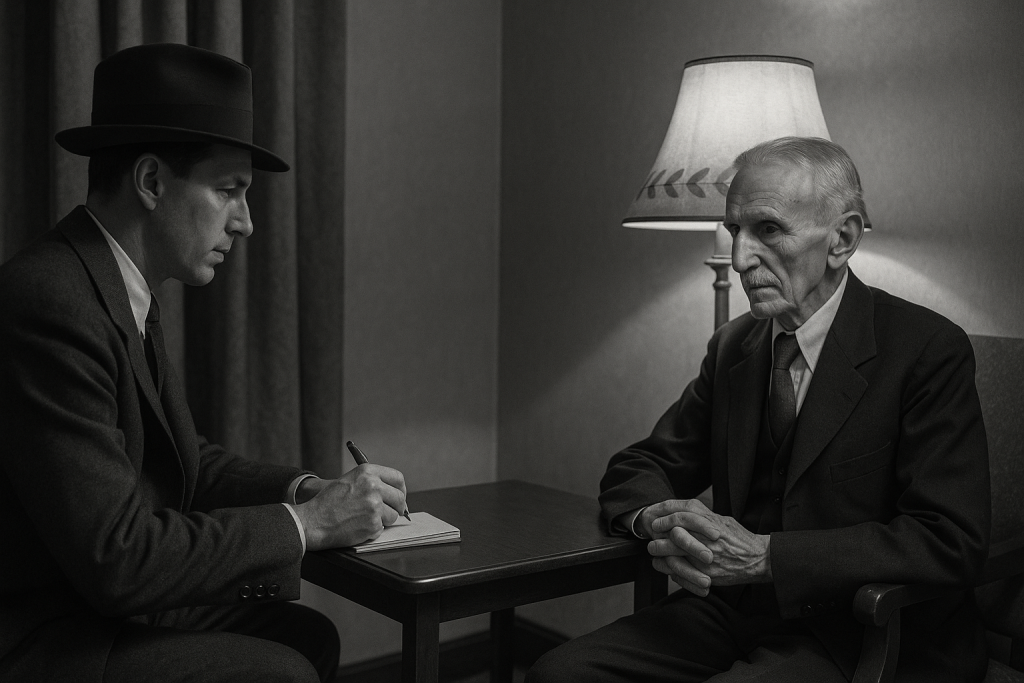
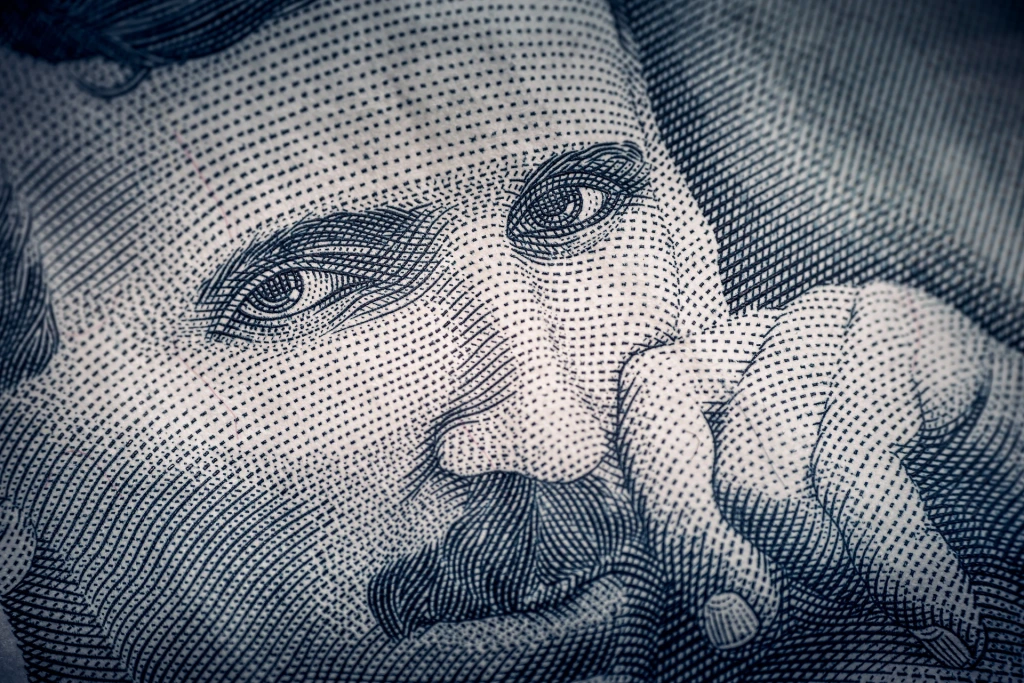
The name Nikola Tesla still carries a unique mix of admiration and mystery. To some, he represents a genius far ahead of his time. To others, a misunderstood visionary who never received the recognition he deserved. And for many, he has become a central figure in countless conspiracy theories.
But the truth is far more interesting than the simplified stories that are often repeated.
Tesla was neither a forgotten genius nor a man whose “truth was hidden from the world.” His life was a combination of brilliant ideas, major achievements, but also flawed decisions, missed opportunities, and complex circumstances.
That is exactly why it’s worth looking at the facts that rarely get the spotlight — because only then does the full picture begin to emerge.
1. Tesla Was Not a “Forgotten Genius” — He Was a Global Celebrity
A common narrative suggests that Tesla was ignored and unrecognized during his lifetime. This is simply not accurate.
In the late 19th and early 20th centuries, Tesla was widely known. His lectures attracted audiences eager to witness something extraordinary, and his demonstrations of electricity were both scientific and theatrical.
He was:
– frequently featured in newspapers
– socially connected with influential figures
– actively involved in major technological developments
Tesla was not operating on the margins — he was part of the center of innovation and public attention.
What happened later was not that he was ignored during his life, but that he gradually faded from the spotlight as other industrialists took control of the commercialization of technology.
2. His Conflict with Thomas Edison Was Not Good vs Evil
The story of Tesla versus Edison is often framed as a simple clash between a visionary genius and a ruthless businessman. While compelling, this version is far too simplistic.
Edison was a highly capable inventor, but also a pragmatic entrepreneur. His focus was on building systems that could work commercially and scale in the real world.
Tesla, on the other hand, was driven by ideas and long-term visions, often without clear paths to market implementation.
Their conflict was not a moral battle — it was a clash between two fundamentally different mindsets: one grounded in business execution, the other in pure innovation.
Both played essential roles in shaping the modern technological world.
3. The Idea of “Free Energy for the World” Was Not That Simple
One of the most widespread claims about Tesla is that he tried to provide free energy to humanity, only to be stopped by powerful interests.
The reality is more complex.
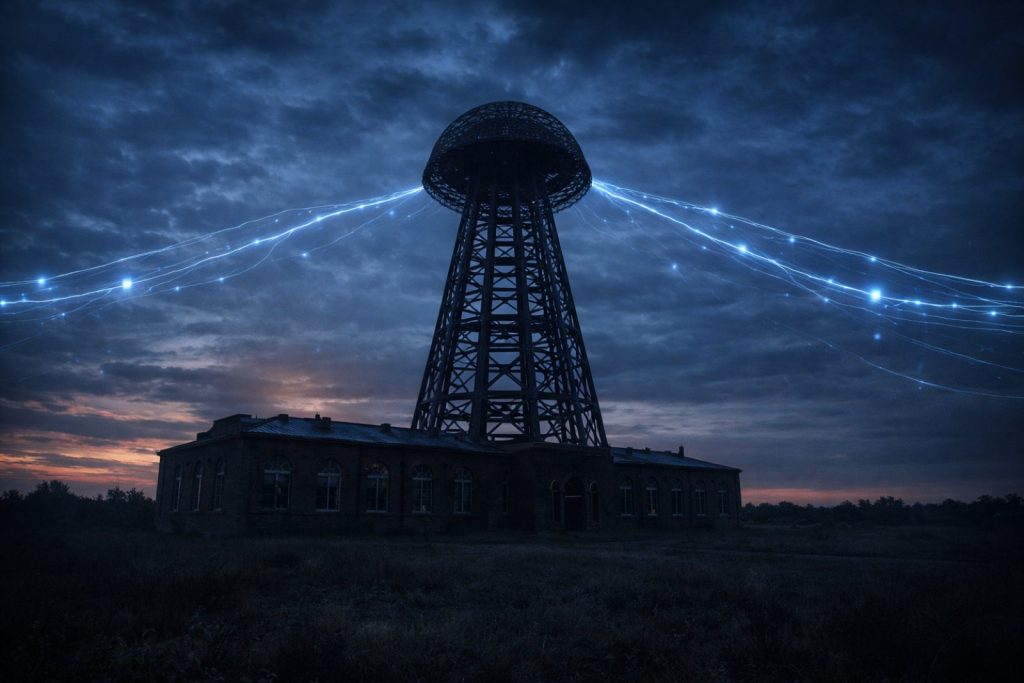
Tesla worked on wireless energy transmission and global communication systems, including the Wardenclyffe Tower. His vision was ambitious — to connect the world and distribute energy without traditional infrastructure.
However, the obstacles he faced were not just political or financial. The technology of the time was not advanced enough to support such systems in a practical, scalable way. The costs were enormous, and the business model unclear.
This was not simply a case of “a system suppressing a genius,” but a combination of technical limitations, economic challenges, and overly ambitious goals.
4. Tesla Was Not a “Mad Scientist” — He Was Extremely Disciplined
Tesla is often portrayed as eccentric, even unstable, due to his unusual habits and behaviors.
Yes, he had traits that stood out:
– a fixation on certain numbers
– strict daily routines
– an intense need for precision and control
But behind these traits was something else entirely — extraordinary mental discipline.
Tesla had the ability to fully visualize his inventions before physically building them. He could test, refine, and optimize ideas entirely in his mind, reducing errors in real-world execution.
This was not chaos — it was a highly structured way of thinking that allowed him to operate with a level of focus rarely seen.
5. He Was Not Always Poor — But He Did Not Manage Money Well
It is often said that Tesla was never properly compensated and lived in poverty throughout his life. This is not entirely true.
At various points, Tesla earned substantial sums, had financial backing, and lived in high-end hotels. He was involved in projects that generated significant funding and had access to influential investors.
The issue was not the absence of money, but how he handled it.
He did not prioritize financial stability, often invested in high-risk ideas, and failed to build long-term security.
His later financial decline was not only the result of external circumstances, but also his own decisions.
6. He Was Ahead of His Time — But Not in the Way People Think
Tesla is often described as someone who “predicted the future.” To some extent, that is true.
He spoke about wireless communication, global connectivity, and technological systems that resemble what we have today.
However, it is important to distinguish between vision and execution.
Many of his ideas were broad and conceptual, lacking the detailed engineering required for practical implementation. Some were simply not feasible with the technology available at the time.
Tesla was not a mystical prophet — he was a deeply insightful thinker who understood the direction of technological progress better than most of his contemporaries.
Conclusion: The Truth About Tesla Needs No Embellishment
The story of Nikola Tesla is often reshaped to be more dramatic, more mysterious, or more appealing.
But it does not need that.
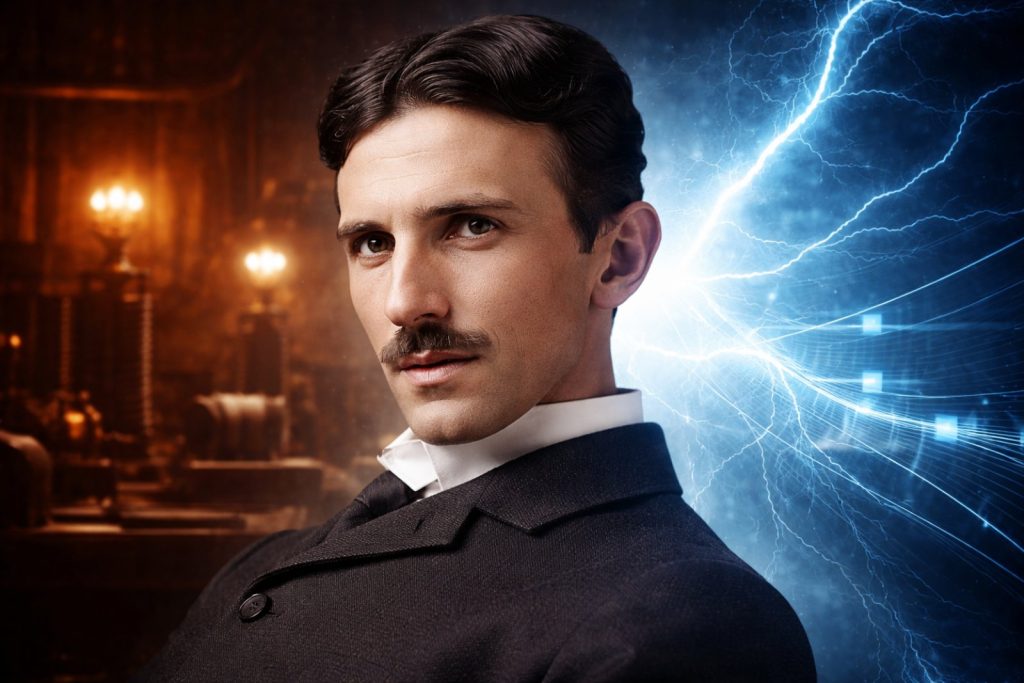
He was a genius, but also human. He made groundbreaking contributions, but also significant mistakes. He was recognized, but did not always know how to maintain that position.
That complexity is what makes him truly compelling.
Perhaps the biggest misconception is not that something about Tesla is hidden — but that we keep trying to simplify a man who was anything but simple.